

Trekking in Nepal is a fantastic adventure that offers some of the most stunning landscapes and cultural experiences in the world. Here are some key points and popular treks to consider. Nepal is one of the world’s most famous destinations for trekking, offering an extraordinary combination of high Himalayan mountains, beautiful landscapes, diverse cultures, ancient villages, and warm hospitality. Home to eight of the world’s fourteen mountains above 8,000 meters, including Mount Everest, Nepal attracts trekkers, adventurers, nature lovers, and photographers from around the globe. Trekking in Nepal is not only about reaching a mountain viewpoint or base camp; it is an opportunity to experience the country’s natural beauty, traditional lifestyles, and rich cultural heritage.
Everest Base Camp Trek

- Duration: 12-14 days
- Highlights: Views of Mt. Everest, Sagarmatha National Park, Tengboche Monastery, and Sherpa culture.
- Best Time to Visit: March to May and September to November.
One of the greatest attractions of trekking in Nepal is the variety of trekking routes available. Treks range from relatively easy short hikes to challenging high-altitude adventures lasting several weeks. The Everest Base Camp Trek is perhaps the most internationally recognized route. It takes trekkers through the spectacular Khumbu region, where they can experience Sherpa culture, Buddhist monasteries, suspension bridges, and magnificent views of Everest, Lhotse, Nuptse, Ama Dablam, and other Himalayan peaks.
The Annapurna region is another popular trekking destination. The Annapurna Base Camp Trek provides an impressive journey through green hills, traditional villages, rhododendron forests, waterfalls, and dramatic mountain scenery. The Annapurna Circuit offers even greater geographical and cultural diversity, passing through subtropical valleys, mountain settlements, and high-altitude landscapes before crossing the famous Thorong La Pass.
For travelers with limited time, Nepal has many shorter trekking options. Mardi Himal Trek is an excellent example. It offers spectacular views of Machhapuchhre (Fishtail), Annapurna South, Hiunchuli, and surrounding mountains while passing through peaceful forests and traditional villages. Similarly, the Ghorepani Poon Hill Trek is a popular short trek known for its beautiful sunrise over the Annapurna and Dhaulagiri ranges. These shorter routes are suitable for people who want a Himalayan experience without committing to a long expedition.
Annapurna Circuit Trek
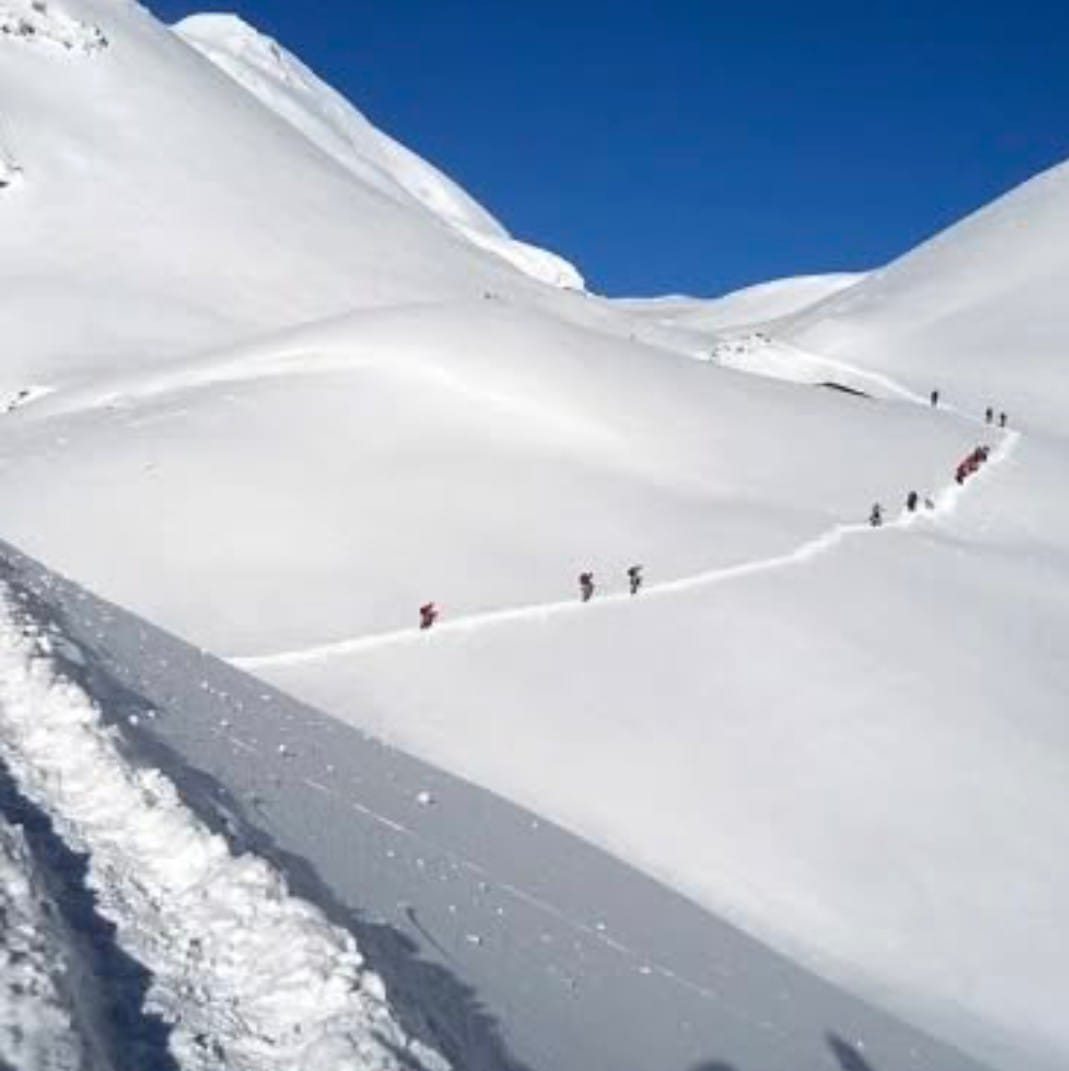
- Duration: 7-10 days
- Highlights: Langtang National Park, Kyanjin Gompa, Langtang Lirung peak, and Tamang culture.
- Best Time to Visit: March to May and September to November.
Nepal also offers less crowded and more remote trekking experiences. The Manaslu Circuit, Langtang Valley, Nar Phu Valley, Rolwaling Valley, and Upper Mustang provide opportunities to explore quieter Himalayan regions. Remote trekking routes can offer a stronger sense of adventure and allow visitors to experience traditional communities that have remained relatively isolated from modern development.
Another important aspect of trekking in Nepal is cultural diversity. Nepal is home to numerous ethnic communities, each with its own languages, traditions, clothing, festivals, architecture, and cuisine. During a trek, visitors may stay in local teahouses or lodges and interact with families living in mountain villages. In the Everest region, Sherpa culture is particularly prominent, while the Annapurna and Manaslu regions showcase Gurung, Magar, Thakali, and other Himalayan communities. Buddhist monasteries, prayer flags, mani walls, chortens, temples, and traditional houses add cultural richness to the trekking experience.
Nature is equally important. Trekking in Nepal trails pass through several ecological zones, from lowland forests and terraced farmland to alpine meadows and glacial landscapes. Spring is especially beautiful because rhododendrons—the national flower of Nepal—bloom across many mountain areas. Trekkers may also encounter wildlife such as Himalayan tahr, musk deer, monkeys, colorful birds, and, in some protected areas, elusive snow leopards.
Altitude is one of the major considerations when trekking in Nepal. Trekkers heading above 2,500 meters should understand the risks of altitude sickness and allow sufficient time for acclimatization. A well-planned itinerary, gradual ascent, adequate hydration, proper rest, and awareness of symptoms are essential for a safe journey. Experienced guides and porters can provide valuable assistance with navigation, accommodation, local culture, and emergency situations.
The best trekking season generally depends on the region and route. Spring (March to May) and autumn (September to November) are traditionally considered the best seasons because of favorable weather and good mountain visibility. Winter can be excellent for lower-altitude treks, although high passes may be affected by snow and cold. The monsoon season brings rain to much of Nepal, but some areas, such as Upper Mustang and parts of Dolpo, lie in a rain-shadow region and can remain suitable for trekking.
Trekking in Nepal also contributes significantly to local communities. Tourism provides employment for guides, porters, lodge owners, cooks, transport providers, and many other local businesses. Responsible trekking can help support conservation and community development. Travelers can contribute by using local services, minimizing plastic waste, respecting local customs, avoiding damage to natural and cultural sites, and following “leave no trace” principles.
In conclusion, trekking in Nepal is a remarkable adventure that combines breathtaking Himalayan scenery with culture, nature, and personal discovery. Whether someone dreams of standing at Everest Base Camp, watching sunrise from Poon Hill, exploring Annapurna’s valleys, discovering the peaceful trails of Mardi Himal, or venturing into remote Himalayan regions, Nepal has a trekking experience for almost every type of traveler. With proper preparation, responsible travel, and respect for local communities and the environment, a trek in Nepal can become an unforgettable lifetime experience.
Why Trek in Nepal?
Nepal offers trekking routes suitable for almost every type of traveler. Beginners can enjoy relatively short and comfortable treks, while experienced hikers can undertake challenging journeys lasting several weeks. The country has well-established trekking regions as well as lesser-known trails for travelers looking for quieter and more authentic experiences.
One of the greatest attractions is the incredible variety of landscapes. A trek can begin in green subtropical valleys and gradually climb through rhododendron forests, alpine meadows, rocky mountain terrain, and high-altitude landscapes. Along the way, trekkers can enjoy views of famous Himalayan peaks such as Everest, Annapurna, Dhaulagiri, Manaslu, Machhapuchhre, Langtang Lirung, and many others.
Nepal’s cultural diversity makes trekking even more special. Many trails pass through villages inhabited by Sherpa, Gurung, Magar, Tamang, Thakali, and other communities. Trekkers can stay in local teahouses, taste traditional food, visit monasteries and temples, and learn about local customs and ways of life.


