

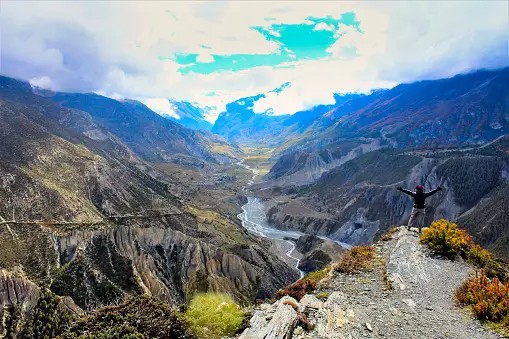
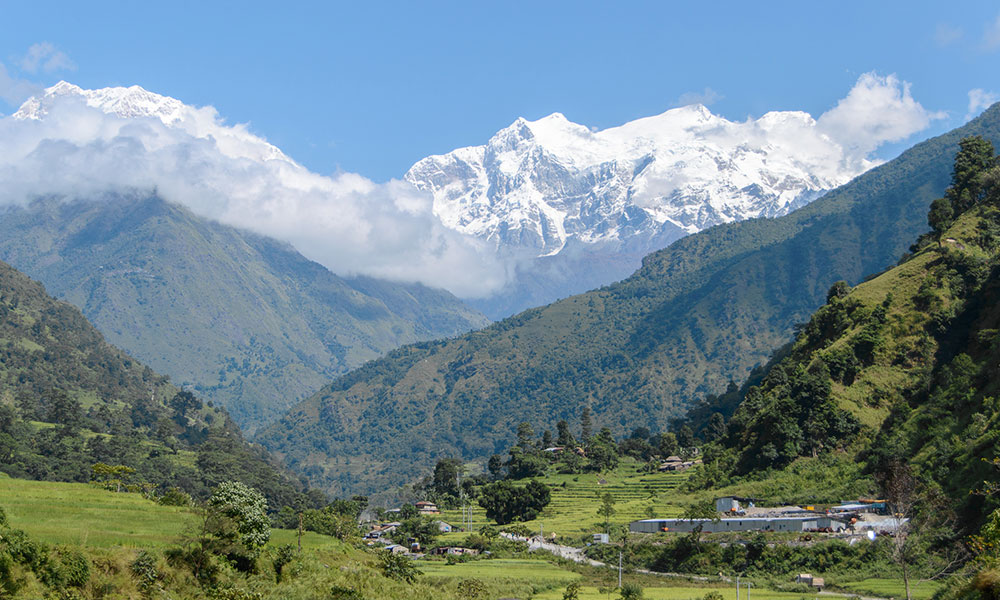
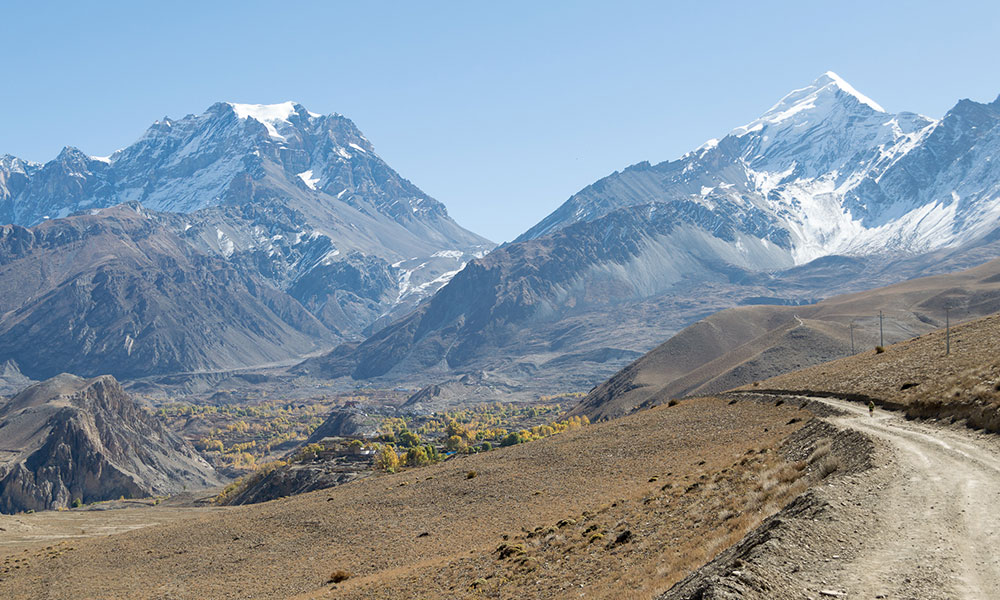
Annapurna CircuitTrek also known as Classical Annapurna Circuit Trek covers the entire distance of the original Annapurna circuit Trek, starting from Kathmandu and leading us to Jagat Drive to begin the world’s Famous Annapurna Circuit Trek along the Marsyangdi Valley. As we pass through various Charming villages, lush Green Valley colorful tea houses, breathtaking scenery, and Mesmerizing Snow Capped Peak Views, we ascend to the majestic Thorong La, the highest pass in the world, at an impressive altitude of 5416 m (17769.03 ft) above sea level. Continuing, we reach Muktinath, a village with strong Tibetan influences in the Rain Shadow Mustang region. Following the Kaligandaki River valley, known as the world’s deepest gorge, our journey takes us to Tatopani. Trekking uphill to Ghorepani Poon Hill, we are treated to breathtaking views before reaching the largest Gurung village at Ghandruk. Finally, our adventure of the Classical Annapurna Circuit Trek concludes in Pokhara after starting and ending in Kathmandu.
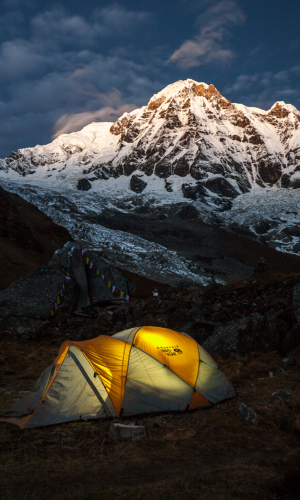
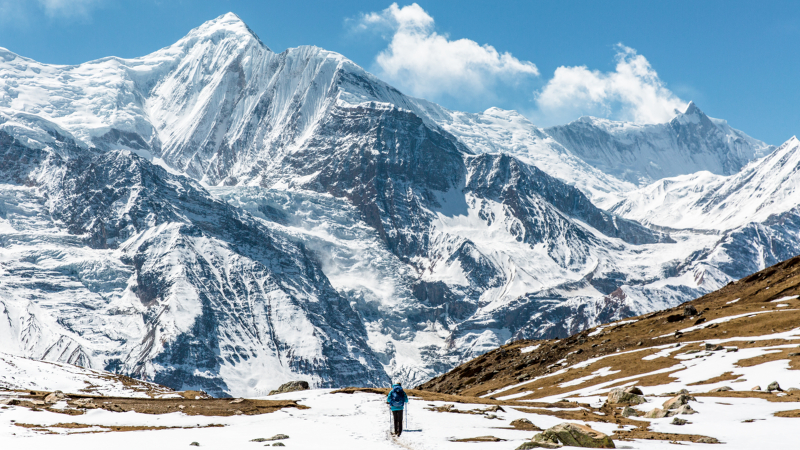
Annapurna Circuit Trek is a remarkable hiking route that offers adventurous trekkers the chance to explore the breathtaking mountainous landscape and take in the stunning panoramic views nearby. This trek also provides an opportunity to discover the cultural richness, way of life, and traditions of the local people, as well as the unique ecosystem of the Annapurna Conservation Area. The Annapurna Circuit Trek takes us on a journey around the entire Annapurna Region, reaching the summit at Thorong La (5,416m) and venturing as far as the world’s deepest gorge, Kali Gandaki. This trek brings immense joy to backpackers as they catch a glimpse of the majestic snow-capped peaks of the Annapurna Massif, the Dhaulagiri Range, and countless other magnificent mountains.
Embark on the adventure you’ve always dreamed of as you arrive in Kathmandu City. Here, you’ll have the opportunity to explore the magnificent UNESCO World Heritage Sites such as Boudhanath, Swayambhunath, Pashupatinath, and Kathmandu Durbar Square. These places hold a rich history and great significance to the locals, passed down through generations. Our journey begins in Besisahar, where we venture into the captivating villages along the Annapurna circuit. Passing through the lesser-known town of Manang, we continue our trail, facing the challenges of Thorong La Pass, until we reach the sacred Muktinath region, revered by both Hindus and Buddhists. Descending to the renowned town of Jomsom, we are greeted by the breathtaking views of Dhaulagiri and Nilgiri peaks. Along the way, we will also visit the enchanting Poon Hill, where the mesmerizing sunrise and sunset paint the sky above the majestic Himalayas with vibrant colors.
Finally, we arrive back in Pokhara, where we can render a break to our exhausted bodies. Also renowned as “Lake City,” Pokhara is the ultimate tourist destination that never lets you down. Subsequently, the adventures come to an end with your arrival in the capital city of Kathmandu.
Looking forward to the trek around the Annapurna Circuit? Then, get in touch with us right now and book this exciting expedition instantly with us!
The price of the renowned classical Annapurna Circuit Trek can vary based on several factors, including the starting point, the services provided, the duration of the trip, and the size of the group. This trek is highly sought-after and commences and concludes in Kathmandu. Our package offers a comprehensive array of services, such as airport pick-up, accommodation in Kathmandu before and after the trek, sightseeing in Kathmandu, transportation to the trailhead, necessary permits, an experienced guide, a porter, accommodation in the mountains, and full-board meals from Jagat to Ghandruk, following the traditional route of the Annapurna Circuit Trek. Additionally, we provide transportation from Ghandruk to Pokhara, hotel accommodation in Pokhara, transportation from Pokhara to Kathmandu, and departure assistance. The cost of our meticulously organized classical Annapurna Circuit Trek package is determined by the group size. If you opt to travel alone, your cost will be higher compared to traveling with a group of two or more individuals. During the journey, any additional fees for accommodation and transportation will be applied accordingly. The cost of this exceptional package ranges from USD1200 to USD1500, depending on the group size, as mentioned below:
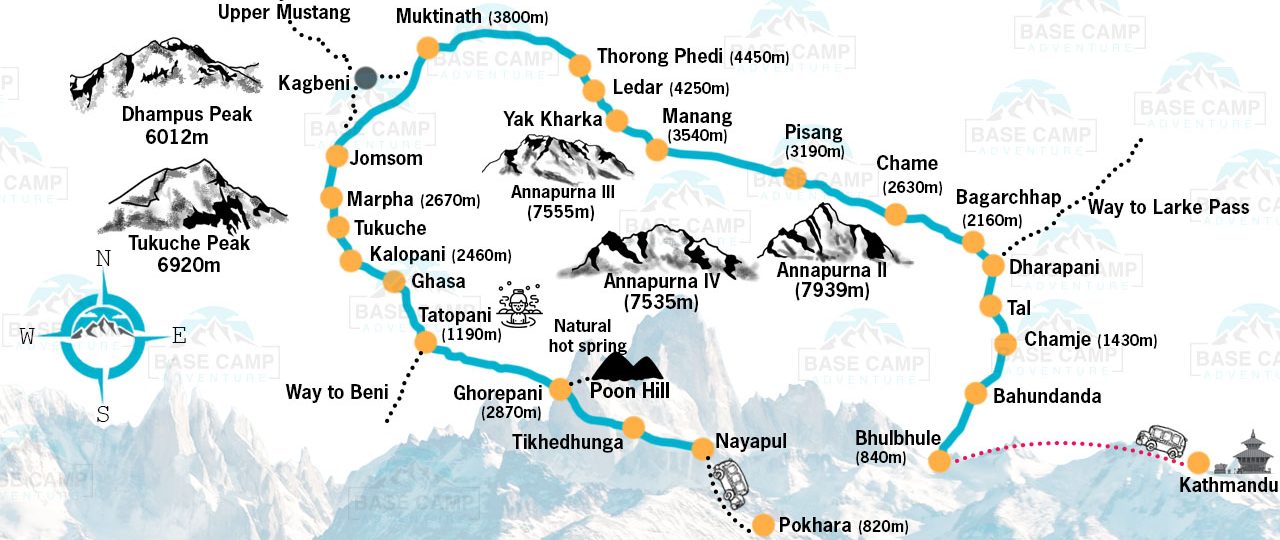
The meticulously crafted Classical Annapurna Circuit Trek Package is renowned worldwide for its exceptional convenience. This remarkable trek takes you to an elevation of over 5416m, making it the highest pass in the world, while immersing you in the authentic beauty of the entire Annapurna region. Our thoughtfully designed itinerary begins with a captivating sightseeing tour of Kathmandu’s UNESCO World Heritage Sites. From there, we embark on a scenic drive to Jagat, where the trek commences. Over 14 adventurous days, covering a distance of 212km on foot, we traverse captivating landscapes until we reach the enchanting village of Ghandruk. Our journey takes us through Jagat, Dharapani, Chame, Pisang, Manang, Yak Kharka, Throrong Phedi, Thorong La, Muktinath, Marpha, Kalopani, Tatopani, Ghorepani, and Ghandruk before concluding in Pokhara. However, the entire experience, including the trek, sightseeing, and driving, spans a total of 19 days. After bidding farewell to Ghandruk, we proceed to Pokhara before ultimately returning to Kathmandu. This itinerary for the Classical Annapurna Circuit Trek allows ample time for acclimatization and provides a glimpse into the ancient trails that still exist today. Embarking on this classical Annapurna trek is undoubtedly one of the finest ways to explore the entirety of the Annapurna region in a single, unforgettable trip. If you wish to customize the itinerary to suit your preferences, please feel free to contact us. We are always flexible and committed to fulfilling your desires.
The renowned Annapurna Circuit Trek provides a range of options for those looking to explore the pristine Annapurna region. Depending on your trekking experience and fitness level, you can choose from short- to long-duration treks. The classic Annapurna Circuit Trek is ideal for beginners and first-time trekkers in Nepal. This moderate-level, challenging trek requires physical fitness and good health, with recommended ages ranging from 10 to 70 years old. Covering an average of 15km (6–7 hours) of walking per day over a 14-day journey on foot, you will experience various climates between 900m and 5416m at Thorong La, the world’s highest pass. The itinerary of the classic Annapurna Circuit Trek allows for ample time to acclimatize, ensuring an enjoyable trip and preparation for the high elevations and passes. This trek is perfect for nature enthusiasts who appreciate the traditional route and less-traveled paths, away from the crowds of most trekkers and first-timers. Although the Annapurna circuit trek was first opened to tourists in 1977 AD, the trail has evolved due to road construction. Despite this, the lower-elevation route remains beautiful and untouched, waiting to be explored.
The majority of trekking in Nepal follows a seasonal pattern, and this holds for the renowned Annapurna Circuit Trek as well. It is crucial to select the most suitable season to have an exceptional experience, capture stunning photographs, witness awe-inspiring views of the Himalayan ranges, immerse in the beauty of the surrounding landscapes, explore charming villages, encounter diverse flora and fauna, and enjoy a comfortable journey. The primary trekking seasons, which offer optimal conditions including clear skies, breathtaking Himalayan vistas, stable weather devoid of rain, and pleasant temperatures at varying elevations, are fall and spring. Opting for these seasons significantly increases the chances of a successful trip compared to the winter and monsoon off-seasons. The Himalayan Trekking Path recommends two specific seasons for the Classical Annapurna Circuit Trek: fall/autumn (September to November) and spring (March to May). However, for those who prefer less-crowded trails, December, August, and February can also be excellent times to trek, provided the weather is favorable. Autumn is particularly ideal for trekking due to the lush greenery, opportunities to witness harvest activities, and the vibrant cultural atmosphere, including festive celebrations and the great Himalayan views. On the other hand, spring offers longer days, blooming forests, magnificent mountain views, and the chance to spot various bird species along the trail.
Adequate preparation is crucial for a rewarding and unforgettable classical Annapurna Circuit Trek. To guarantee an exceptional trekking adventure, we have put together a detailed packing checklist that you should organize before starting the famous Annapurna Circuit Trek. If you have any questions or uncertainties, please don’t hesitate to reach out to us.
The Classical Annapurna Circuit Trek is renowned as an exceptional trekking route in the Annapurna region, offering a remarkable itinerary and comprehensive packages for those seeking an authentic experience. At Trekkings Hub, we are dedicated to promoting this trek to adventurous souls who yearn to explore the lesser-known aspects of the Annapurna Circuit. Our 19-day package ensures top-notch service at a reasonable cost, and there are several compelling reasons why you should choose to embark on the Annapurna Circuit Trek with us.
Upon arrival at Kathmandu Tribhuvan International Airport, you will be met by a Trekking Hlub representative, and taken to your hotel. After checking in at the hotel, you will be briefed on what to expect on your trek to Annapurna Round.
Today, we will spend the day sightseeing in Kathmandu Valley with our guide. We will visit Pashupatinath, which is regarded as the holiest Hindu temple in Nepal and where pilgrims worship Lord Shiva (situated on the banks of the holy Bagmati River), Bouddhanath, a Buddhist temple known as ‘Little Tibet’ and then on to Swayambhunath known as the Monkey Temple. From Swayambhunath we drive to Kathmandu’s famous Durbar Square, a UNESCO World Heritage-listed site, and located in front of the old royal palace. Upon arriving back at your hotel you may have time to do some last-minute shopping around Thamel – the tourist hub of Kathmandu. Back at your hotel, your guide will help you prepare for your trek.
Today, after an early breakfast, we will drive for about 5 to 6 hours before reaching Besisahar – about 190 kilometers from Kathmandu. After reaching Besisahar we will head by jeep to Syange where you will have some incredible views of Mt. Annapurna II (7937m), Mt. Manaslu (8156m), and Mt Lamjung (6983m).
The journey today takes along a dirt road through a gorge with amazing waterfalls cascading down into it and with numerous views of snow-capped peaks along the way. The winding road takes us from Syange and via Jagat village (1410m), and then reaches Chamje village. After crossing the bridge there is a steep climb before we reach the village of Tal (1700m), situated next to the Marsyangdi River. Leaving Tal we continue on before reaching today’s s destination, Dharapani village where we will stay the nigh
Today we begin trekking from Dharapani climbing higher and a noticeable change with cooler conditions. You will see a change in the landscape at this higher elevation as the trail passes through forests before reaching the Tibetan village of the Bagarchhap with its distinctive Tibetan architecture. Climbing higher we reach the apple-growing region and farms along with pine forests and views of Lamjung and Annapurna II peaks. The trail then follows the Marsyangdi River heading upstream and passes the villages of Manang and Koto before reaching Chame. It is a very easy walk from Koto to Chame where we spend the night. Chame is the district headquarters of the Manang region.
After leaving Chame we pass through Telekhu and along the trail have some breathtaking views of Annapurna and Pisang (6091m) until we have to re-cross on a suspension bridge to the south bank of the Marsyangdi River. After crossing the river we then head higher passing a pine-forest as we trek through the upper reaches of the Manang valley to Pisang. At the upper edge of Pisang village, we can see Pisang and Chulu peaks. Tonight we stay at Pisang.
The town of Pisang is the start of our trek in the upper Manang area. Today we head to Braga; a Tibetan village with its unique architecture with its houses constructed one upon the other. One of its main attractions is its Gompa (Buddhist fortification), the largest in the Manang region. Manang is popular with trekkers and is also a place to acclimatize before heading to higher altitudes. Today’s trek is around 4 to 5 hours. We stay here for the night.
Medical professionals recommend that before heading to higher elevations that trekkers spend some time acclimatizing. They also recommend staying active. From Manang you will be blessed with views of Annapurna II; Annapurna III (7555m); Gangapurna (7454 m); and to the south to Tilicho (7132 m); and the Grand Barrier (a 7000m ridge)to the west; Chulu West (6583m) and Chulu East (6059m) meters in the north. Today, to better acclimatize to these higher altitudes we will climb up to Khangsar (3756m). Tonight we stay at Manang.
Today we head off on a 10.4 km uphill trek of around 3 to 4 hours and head to Yak Kharka passing through juniper forests and will see yak grazing in the pastures. On the route, we pass the only teahouse at Thorong Khola. The vegetation at this elevation is mostly juniper trees. Depending on the conditions we may decide to go a little further and stay the night at Letdar.
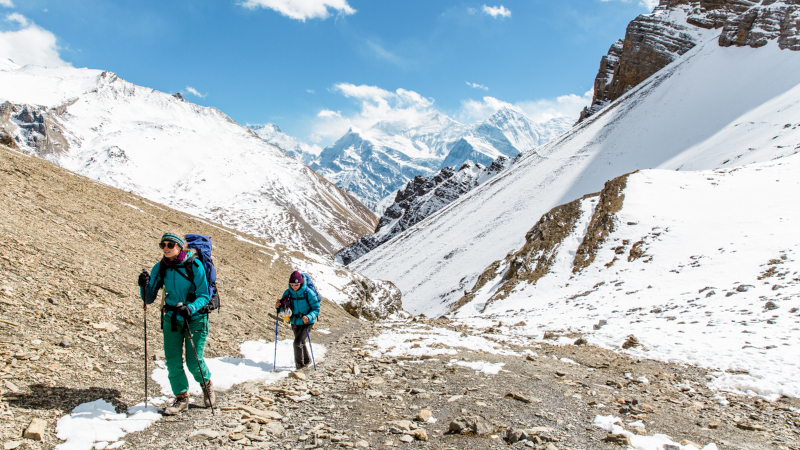
Today is most likely the toughest day of the trek, hiking for around 3 to 4 hours. The higher altitude contributes to the degree of difficulty and sometimes strong winds in these upper regions. Along the trail, we may pass sheep, yaks, and merchants transporting their goods. Once we reach Thorong La Pass we will be rewarded with breath-taking views of Annapurna, Gangapurna, and the eye-catching peak of Khatungkang (6484m). Leaving the pass we descend around 1600 metres and the brilliant Dhaulagiri (Dhula Giri, meaning “White Mountain”) is the highest mountain that is entirely in Nepal. The trail is more undulating and relatively easy before we reach Muktinath where we stay the night.
Today is most likely the toughest day of the trek, hiking for around 7 to 9 hours. The higher altitude contributes to the degree of difficulty and sometimes strong winds in these upper regions. Along the trail, we may pass sheep, yaks, and merchants transporting their goods. Once we reach Thorong La Pass we will be rewarded with breath-taking views of Annapurna, Gangapurna, and the eye-catching peak of Khatungkang (6484m). Leaving the pass we descend around 1600 meters and the brilliant Dhaulagiri (Dhaula Giri, meaning “White Mountain”) is the highest mountain that is entirely in Nepal. The trail is more undulating and relatively easy before we reach Muktinath where we stay the night.
After leaving Muktinath we descend 1200 meters to the Kali Gandaki river valley with a brief stop at Ekle Bhatti (meaning one inn) a small village with 3-4 teahouses. From here our trek follows a windy path for another 2 hours until we reach Jomson, the headquarters of the Mustang region with an airstrip near the Kali Gandaki River. A relatively easy 2 hour -trek from Jomson takes us to Marpha where we stay the night. Jomsom has many lodges and is famous for its delicious apple cider – a good opportunity to celebrate!
Leaving Marpha takes us along the banks of the Kali Gandaki River heading downstream to Tukuche village beneath the soaring Tukuche Peak and Dhaulagiri Massif, extending 120 km from the Kali Gandaki River in the west to Bheri and fantastic views of Mt.Nilgiri and the immense glaciers coming down from the east face of Dhaulagiri. A short trek of 1 hour from Tukuche takes us to Larjung village surrounded by huge mountains. We then cross the wide river bed and trek through pine, rhododendron and oak forests and then cross a suspension bridge over the swift-flowing Kali Gandaki River. In the background are excellent views of Mt.Annapurna I, Nilgiri and Dhaulagiri. The trail then brings us to Lete Village where we stay the night.
Our trek today descends form the more rugged arid regions through pine and other conifer forests as we pass through the valley between the enormous Dhaulagiri and Annapurna ranges. Following the trail takes us through Ghasa Village with breathtaking views of the snow-capped peaks and into a cooler climate. Just down from Ghasa is the southernmost tip of the region inhabited by the Thakali people. The trail continues and passes the multi-terraced farmland carved from the hillsides as we head into the sub-tropical regions before reaching Tatopani (meaning hot water in Nepali). On this path, we can see the cascading Rupsi waterfalls. The hot springs at Tatopani are located on the banks of the Kali Gandaki River.
Today we ascend 1670 meters, quite a hard slog, and pass through more cultivated farmland with their terraced fields. We climb through a rhododendron forest, spectacular in springtime, magnolia, and of course a panoramic view of the mountains. Tonight we stay at Ghorepani with magical views of the Annapurna Ranges and Machapuchare (fishtail) one of the few unclimbed peaks in Nepal due to its religious status – home to Lord Shiva.
Early morning starts and we trek up to Poon hill to watch the sunrise, an eye-opening experience that will leave you breathless. As dawn approaches the change in colors will be a magical experience where you camera will go into overdrive! This has to be one of the best places, on any trek, to view the Annapurnas, Dhaulagiri, and its many snow-capped peaks. This is an unforgettable experience and will give you photos to boast about! The first leg of the trek, passing through Bhanthati, down to Tikhedhunga is a very steep descent. Tonight we will stay at Tikhedhunga.
After leaving Tikhedhunga we follow a fairly easy downhill trail passing through farming villages and cascading waterfalls before reaching the quaint village of Birethanti beside the Modi River where we stop for lunch. After lunch, we trek for another 30 minutes before reaching Nayapul where we take a jeep to Pokhara where we stay at Lakeside (next to Few Tal (lake). We will have time to walk beside the lake, take a boat ride, and browse the many shops. Tonight we can party and celebrate the conclusion of our amazing adventure.
Today we head back on a 6 to 7-hour drive to Kathmandu with many fond memories of Nepal and its unique culture and geography. These memories will last a lifetime! Or you can also fly from pokhara to kathmandu which is 30 min fly only.
Trekking Hub staff will transfer you to the airport for your final departure from Nepal. We hope that this epic trek will be firmly ingrained in your memory and will be enough to prompt you to consider your next trek with us!

