


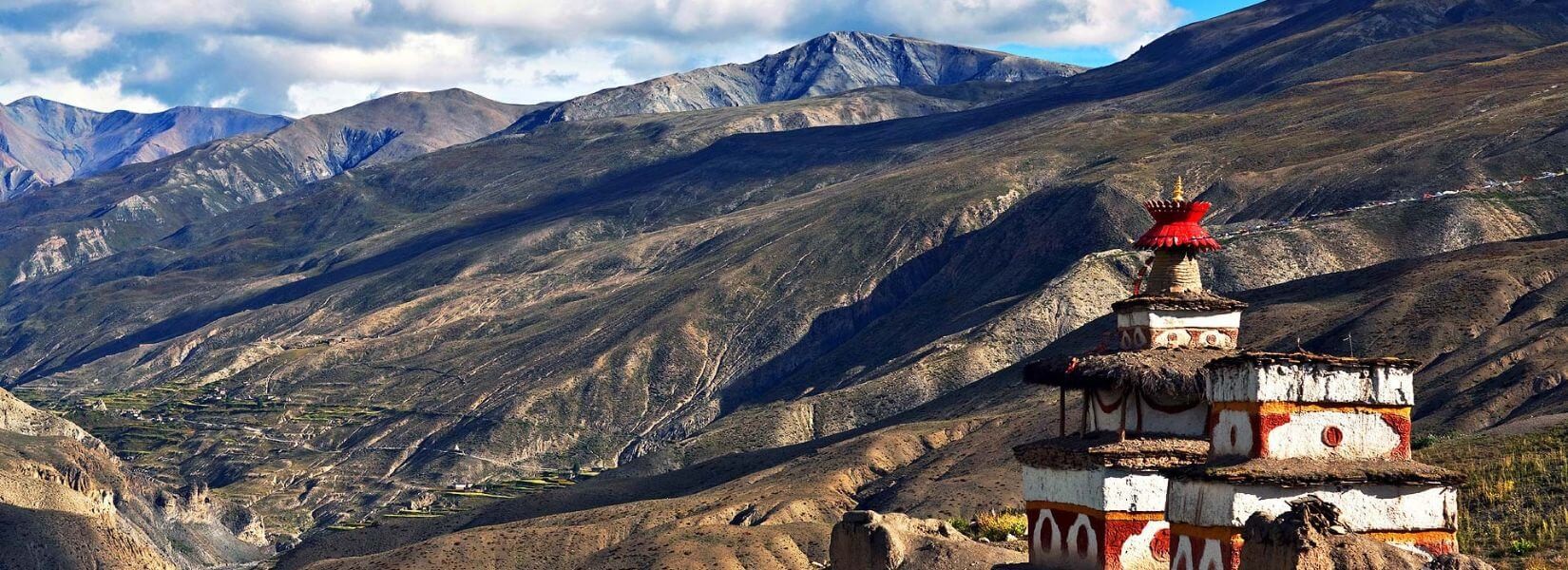
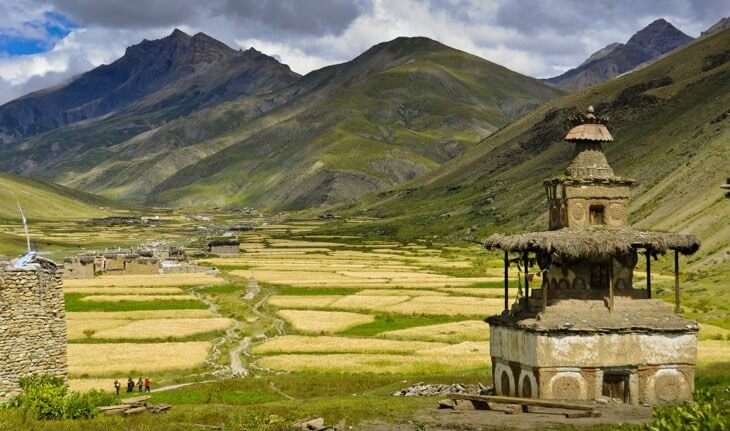
Dolpo is a mountainous and cultural region located in the north-western Karnali province, Nepal. It is located between Mustang to the east and Mugu to the west. It borders China’s Tibetan Autonomous Region (TAR) in the north, Jajarkot and Rukum in the south. The elevation of Dolpo begins from 2000m (Sulighad) and rises above 5000 meters such as Maryum la, Baga la, Numa la and many other passes above 5000m. Dolpo region is a home to some of the highest villages on earth, almost 90% of the region lies above 3500mtr. It is one of the least densely populated area of Nepal. Only five thousand population live in this region.Where one can still have opportunity to meet the nomadic people and their life style almost untouched and unexplored. The Himalayas offer an endless variety of landscapes, cultures and great people. This unbounded diversity makes it a destination you can visit over and over again. It even becomes more interesting and fascinating with all those beauty and attractive nature every time you return. Lying in the rain shadow area of the Himalayas. The landscape resembles that of the Tibetan Plateau instead of the lush, green, monsoon watered hills.Dolpo’s extraordinary natural beauty was exquisitely captured in the Oscar nominated film“Caravan”. Trekking in this Himalayan region is an unforgettable Adventure.
Dolpo region preserved eco-system encompasses a wild and wonderful variety of flora and fauna, including blue sheep, mountain goat, jackal, wolf, and the legendary snow leopard. Dolpo remains a truly isolated corner of Nepal, which is described as the place which made people feel as if the time stood still here for centuries as inhabitants of Tibetan stock continues to live, cultivate and trade the way they have done for hundreds of years.
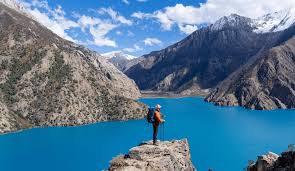
Agriculture, Animal husbandry and trade are the main source of income of this Dolpo region. For travelers who cannot get enough the adventures and cultures of Dolpo, there is a longer route that takes them through several village.Dolpo is confined by the Dhaulagiri range in the south and east, Mt. Sisne and Kanjiroba in the west and the Tibetan plataeu towards the north. Lake Phoksundo’s shimmering turquoise waters never fails to fascinate visitors, making it one of the major attractions of Dolpo.Settlements here are generally at amazing altitudes of 3,660 m to 4,070 m and the people are devout Buddhists who have been trading with Tibet for centuries. There are 130 gompas (Buddhist monasteries) in Dolpo which speaks volumes for their religious fervor. This is an opportunity for travelers to soak in more of the culture of Himalayan trips, and to challenge their physical capacity. More than 90% population of this region lives under the poverty line, literacy rate of Dolpo district is 54% where women literacy is even worse. This region is divided into Lower and Upper Dolpo. His majesty’s government of Nepal has referred as a ‘upper’ Dolpo, a destination which has restricted for foreigners from traveling extensively in this area. The dominion of the western Tibetan dynasties over Dolpo was eclipsed during the fourteenth century by the principality of Lo (present day Mustang District ‘Lomangthang’, Nepal). Thereafter, Dolpo villagers paid tributes to the kingdom of Lo in forms of grains, labor, painting thangka and carving mani walls. Tenzein Norbu Sherpa counts among his ancestors painters paintings at Thubchen and Jampa monasteries. The 1999 French-Nepalese movie Himalaya, which gives insight into the local customs, was the first Nepalese film to be nominated for an Oscar award and also a huge success in Nepal itself, drawing the country’s attention to the region.
One of the delightful moments during the trek is the sight of long yak caravans that even today endure immense hardships negotiating the harsh, icy terrain, crossing high mountain passes, carrying goods for barter to the other side of the Himalayas.Closely linked with Tibet, the people speak Tibetan, look Tibetan and retain their Tibetan heritage and culture which are highlighted by religious ceremonies in their monasteries where Tibetan Buddhism prevails.Little has changed in the way of life for these hardy people who strictly follow the customs and beliefs of their forefathers who came over from Tibet centuries ago. This trek is an opportunity to meet these simple folk who live under extreme conditions just making ends meet.
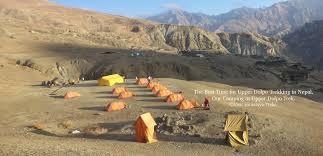
Opened up for tourism only in 1989, these high mountain valleys remained unexplored and largely unseen by outsiders. Isolated by the difficult topography, the people in this region have preserved their culture and live a life untouched by the trappings of modern society.Dolpo is one of the Restricted Areas of Nepal so trekkers require a Trekking Permit from the Department of Immigration in addition to the TIMS card to trek in this region. Trekkers must be extremely fit to endure the long and strenuous stretches en route.

