


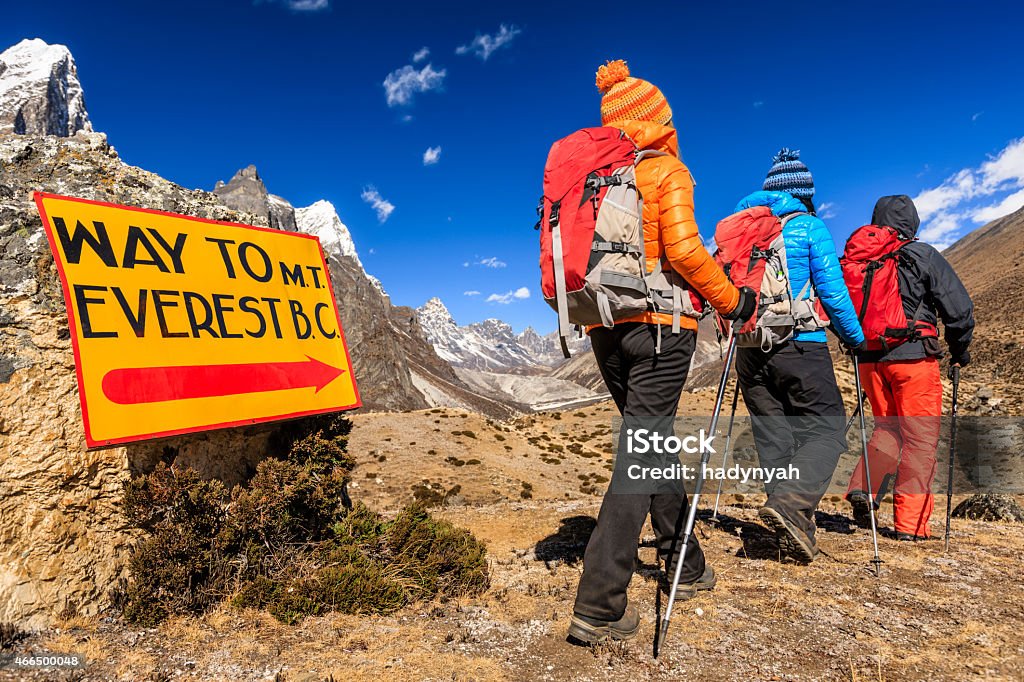
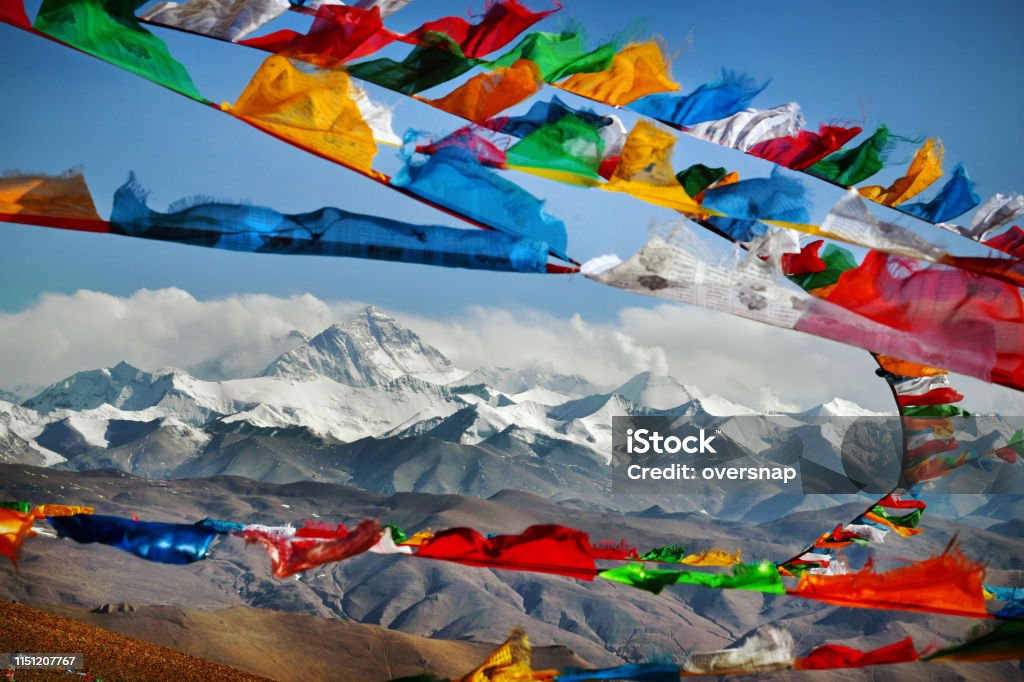
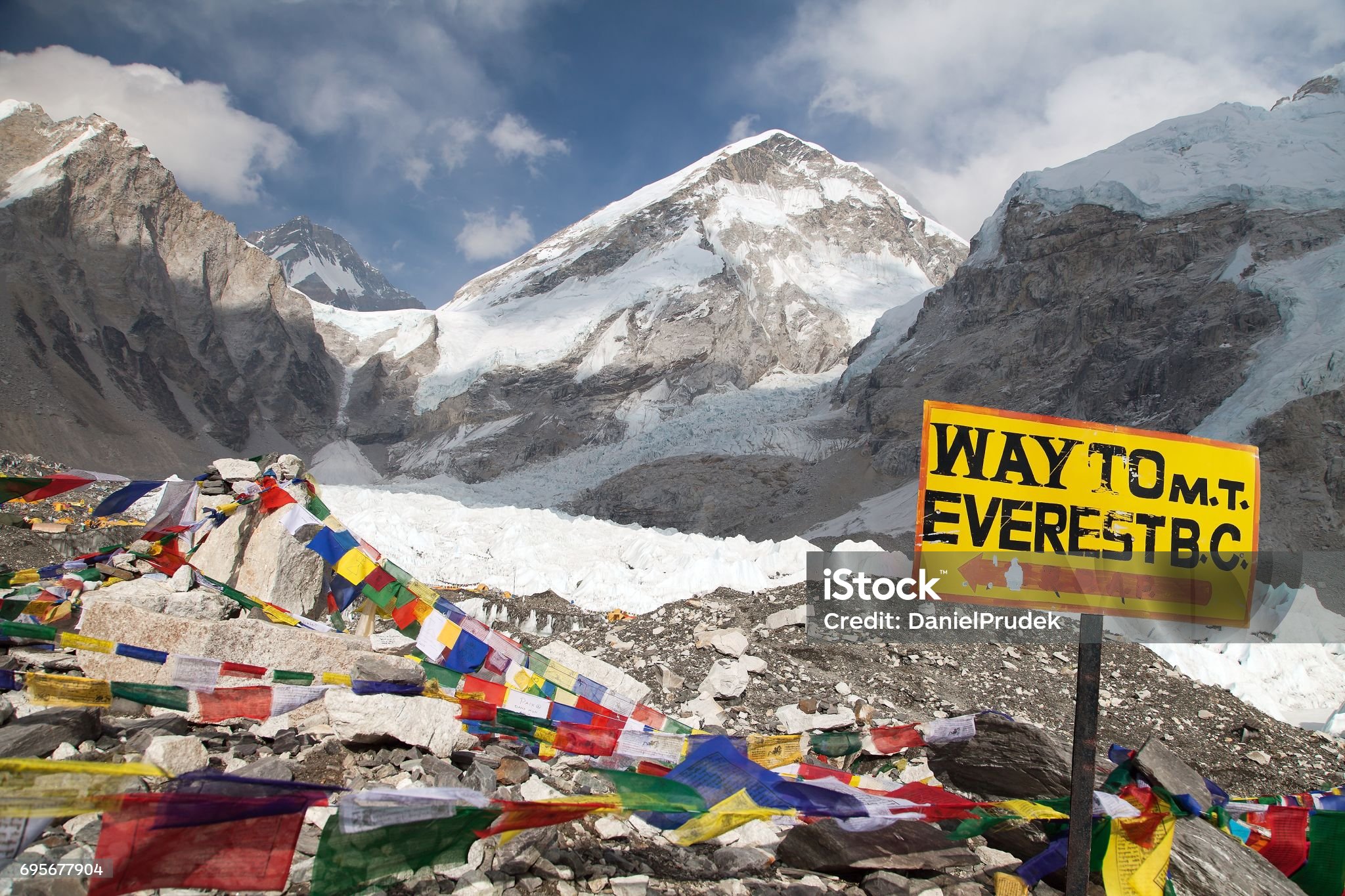
Reach the highest point on earth or choose to live out your dream by standing at the foot of Mt. Everest (8,848 m).
The Everest region in Nepal is more than just climbing and trekking, it is a life changing experience and some see it as a journey close to achieving Nirvana. Located in the north eastern province of Nepal, this region is in a world of its own with vast glaciers, icefalls, the highest mountains, deep valleys, precarious settlements, and hardy people challenging the harshest conditions thrown at them by nature in the thin air of high altitude.
Passing through legendary Sherpa villages, the trek is a mix of deeply cultural and spiritual experiences and physical challenges that test your strength and endurance. Buddhist lamas, monks and nuns led by Rinpoches (reincarnate at mas) serve the predominantly Sherpa communities from their gompas (monasteries).
The journey to Everest or Everest Base Camp, begins with a dramatic flight from Kathmandu to Lukla, after which you hike up the Everest region to reach your destination in the Himalayas. However, for die-hard lovers of trekking, there is another switchback starting from Jiri through the mid-hills of Solu, an ethnically diverse section of the trek rich in flora.
Taking a flight is a time-saver, while trekking from Jiri gives you the opportunity to follow in the footsteps of Tenzing and Hillary before their conquest of Everest. With more time to interact with the charming people along the route, you get to see the rich flora and fauna on the long trail. You get the added benefit of natural acclimatization as you go up and down the cliffs and valleys.
The option from Jiri will roughly add 10 days to your trip to the famous Sherpa village, Namche Bazaar (3,500m). The Sagarmatha National Park in which Mt. Everest lies is one of the few places on earth with the rarest bio-diversity and the highest mountains in the world.
For those with sufficient time, a 10-12 day trek through Solu to the Khumbu and the Sagarmatha National Park is an excellent itinerary both in terms of acclimatization and to observe the changing customs, traditions, and lifestyles as you go from the lower altitude settlements to those in the higher altitudes.
A part of the Himalayan ecological zone, the park was added to the list of UNESCO Natural World Heritage Sites in 1979. The park has three of the world’s highest mountains: Everest, Lhotse, and Cho Oyu besides countless other peaks that rise above 6,000 meters from sea level.
Climbers and trekkers continue to trek to Everest Base Camp and not surprisingly the “Roof of the World” continues to be the world’ top attraction for hardened mountaineers, a haven for alpine enthusiasts and is in the bucket list of adventurers from around the world.
The Everest region has been valued as the key to evolutionary history of the Earth, and is also a habitat for some rare and endangered species like the snow leopard, red panda, Himalayan black bear, musk deer and Himalayan wolves.
Place to see in Everest region
NAMCHE BAZAAR
Namche Bazaar (3,500 m) is the staging point for expeditions to Everest and other Himalayan peaks in the area. It has developed into a small, colorful market town selling everything from Tibetan artifacts to trekking and climbing equipment and everything you might need during your trip. The visitor center at park headquarters has detailed information on various climbs in the area, memorabilia from different mountaineering expeditions, and information on the lifestyle and culture of the Sherpa people.
A historic trading hub, famous for its homemade yak cheese and butter, Namche is situated on the slope of an arch-shaped mountain, with amazing views of giant Himalayan peaks from anywhere in the valley. Once a major trading center of the Khumbu region, Sherpas from neighboring villages and traders from Tibet would gather to barter goods displaying exotic traditional arts and crafts. Despite its prosperity, Namche Bazaar still retains its ancient culture, traditions and heart-warming hospitality.
One of the popular stops along the Everest route, this Sherpa dominated settlement seems to have it all. Besides the usual collection of hotels, restaurants and equipment stores, one can even find a regular pub, cyber cafe and a place to play pool. It is wise to halt here for a couple of days to get acclimatized by walking up and down in the vicinity as acclimatization is a slow process. A visit to Syangboche or some Sherpa villages like Thame, Khumjung and Khunde just a few hours walk from Namche are good options for whiling away your time, which also help you get acclimatized.
Every Saturday morning, Namche Bazaar gears up for the weekly market fair which lights up the place. This fair puts the spotlight on the middle of the town, where traders from Tibet and neighboring villages display their wares and essential goods to attract potential customers.
Now a major gateway to Everest, Namche Bazaar has become a busy tourist hub where climbers and trekkers can do last minute shopping for essentials.
TENGBOCHE MONASTERY
Tengboche Monastery is one of the most famous monasteries of Nepal, probably because of its unrivalled backdrop of Mt. Ama Dablam. The monastery is the leading Buddhist centre in the Khumbu region with a residing Rinpoche who blesses pilgrims, mountaineers and travelers passing through.
Every October, Tengboche Monastery hosts the colorful Mani Rimdu festival, which is a culmination of Buddhist celebrations with a religious gathering, songs, ritual dances and enactments of the lives of legendary figures. Visitors are always welcomed to partake in the festivities and many trekkers book their trek to coincide with the festival. Tours of the monastery are conducted every afternoon for visitors. Tengboche lies on the very popular trek route to the Everest region.
Atop a hill across Imja Khola, Tengboche is the most common night halt after Namche. The monastery is perched on a high ridge across the canyon from Khunde. The original Tengboche Monastery was burnt down in 1989 and replaced with a more solid structure.
Pines, azaleas and colorful rhododendrons surround the attractive gompa (monastery), with a stunning panoramic view of Everest, Lhotse and Ama Dablam. Tengboche has many rest houses and a large number of lodges as well as spacious camping sites.
From Tengboche you can continue on to Pheriche, Kala Pattar and the hamlet of Gorakshep. From here, the Everest Base Camp is easily reached, as is the summit of Kala Pattar (5,545 m), known for outstanding views of Mt. Everest. However, it is advisable to take time to acclimatize and avoid rapid gain in altitude to avoid altitude sickness.
GOKYO VALLEY
One of the most picturesque valleys in Nepal, the Gokyo valley lies towards the west of the more famous Khumbu region of the Himalaya. The serene valley boasts extensive pastures for yaks to graze during summer and the pristine turquoise lakes are simply breathtaking. Gokyo can be visited after trekking up to Everest Base Camp by adding another five days to the itinerary.
If Gokyo is your main destination, then the trek goes up the Everest trail only as far as the teahouses at Kenjoma (where the trail from Khumjung joins the main trail). From this point on, the trail leads up towards Mong La pass before dropping steeply back down to the banks of the Dudh Koshi River. The trail then goes past rhododendron and oak forests and waterfalls which are often frozen. A couple of hours on this enchanting trail and you arrive in Dole, where you spend the night in a teahouse.
From Dole, it is only four hours to Machherma. The valley that leads west above Machherma is worth a visit, and can be done in the afternoon. The valley is dominated by the unclimbed Mt. Kyojo Ri. The final trail up to Gokyo goes past teahouses at Pangkha and up the terminal moraine of the Ngozumpa glacier, which is the largest glacier in the country. Finally, just above the moraine, you will see the crystal clear lakes.
One of the eight-thousanders, Cho Oyu (8,153m) is seen towards the north from Gokyo. There are many great views all around the valley. The most popular among them is seen by ascending a ridge for 2-3 hours to the north-west to reach a small summit. Enjoy a spectacular panoramic view extending from Cho Oyu and Everest, to Lhotse all the way to Makalu. This view is arguably better than what one sees above Gorak Shep.
There are two high passes leading out of the Gokyo valley, the Cho La pass being the most traveled, which leads on to the Khumbu valley near Lobuche while the other is Renjo La pass that joins the trail between Thame and Nangpa La pass. Following the Everest trek route, one takes the alternative exit route as far as Phortse.
From here you walk along the eastern side of the valley through the village of Konar. There are no facilities available on this side of the valley until the small teahouses at Nah, a six hour trek from Phortse. Nah is a good place for camping, but for proper accommodations, one has to walk another four hours to reach Pangkha. From here follow the route described previously.
KHUNDE & KHUMJUNG
A day or two spent at Namche for acclimatization can be used to hike to nearby Sherpa villages like Khunde and Khumjung. The hikes will be rewarding with a chance to meet the charming local people, experience the warmth of Sherpa culture, taste their cuisine and see the mountains from different angles.
The traditional villages of Khunde and Khumjung are further up from Namche. These two towns with stony fields divided by rock walls have beautiful vistas on all sides. Kunde Hospital, built in 1966 by Sir Edmund Hillary and maintained by the Himalayan Trust, is at the top of the village. Its mission: to treat local people, but it also provides emergency care to trekkers. Khumjung is the largest village in the Khumbu at the foot of the sacred peak Khumbila. Another place worth a visit is Khumjung School which was built by Sir Hillary’s Himalayan Trust in 1960.
EVEREST BASE CAMP Trip Overview
Everest Base Camp trek is quite simply the classic trek in Nepal. High in the priority list of trekkers, the Everest Base Camp is one of the most visited regions in the Himalaya. The two week trek starts and finishes at Lukla, an airstrip to the south of the region also known as the ‘Gateway to Everest’. Most trekkers fly to Lukla, to begin the trek.
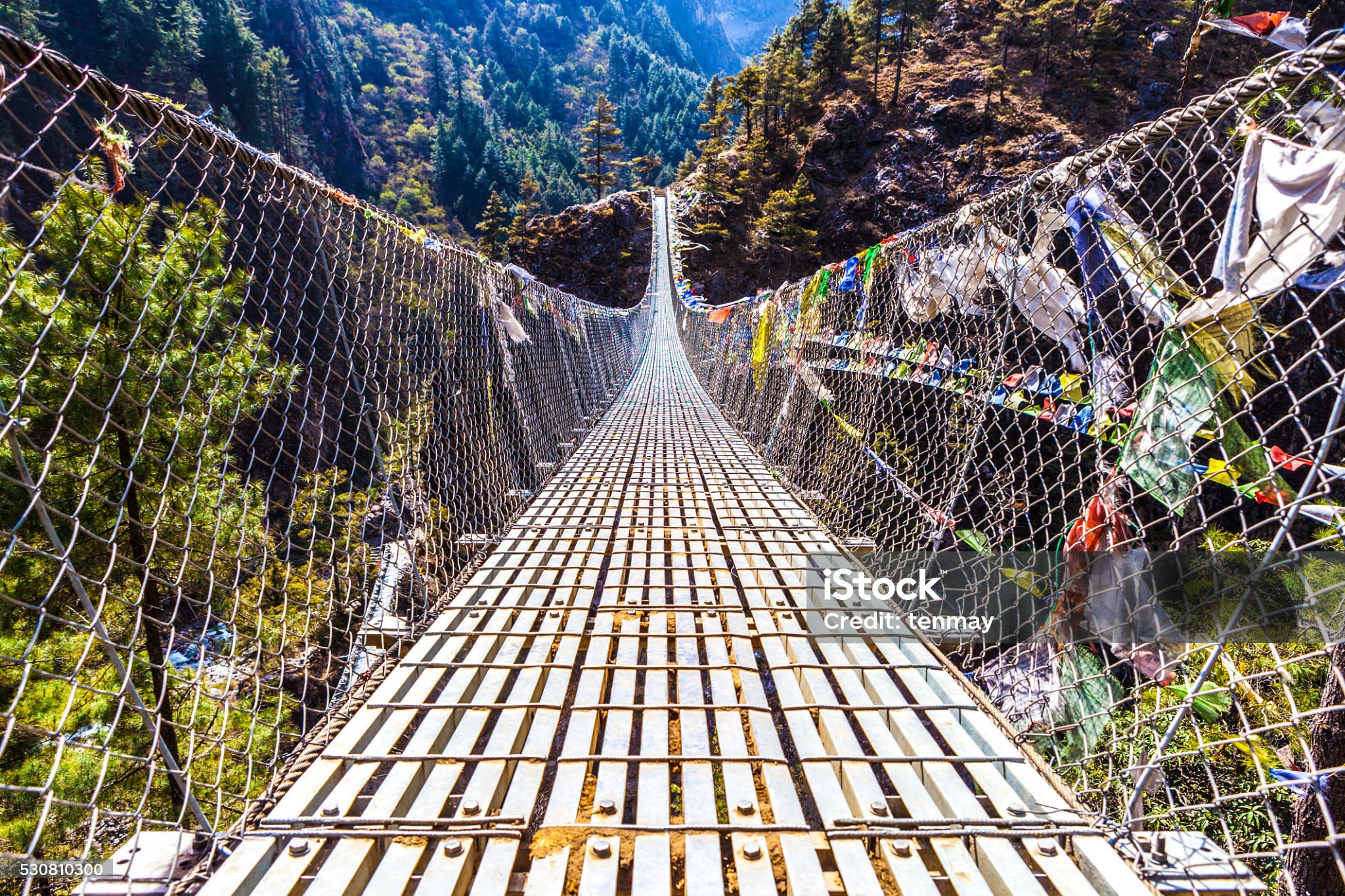
Starting from Lukla, a gentle two-day trek up the Dudh Koshi valley leads to the famous Namche Bazaar. The route has an abundance of tea houses. Phakding and Monjo are the popular stopovers on the first day and just beyond Monjo is the entrance to the Sagarmatha National Park at Jorsale check point where permits are checked. The trail that followed the Dudh Koshi River starts going uphill from the suspension bridge just a few minutes from Jorsale and Namche Bazaar is reached after a 3 hour hike.
It is good to halt here for a few days to acclimatize by walking in the surroundings of Namche as it can’t be done in a hurry. A visit to Syangboche or some Sherpa villages such as Thame, Khumjung and Khunde just a few hours walk from Namche are good options for a hike to while away your time.
Leaving Namche Bazaar, the trail follows the valley of Imja Khola with spectacular views of Thamserku, Kangtega and Ama Dablam mountains, while dominating the skyline ahead are the giants, Lhotse and Everest. The most common night halt after Namche is at the top of a steep climb from the Imja Khola at Tengboche. The Tengboche Monastery is one of the most famous monasteries, probably because of its unrivalled backdrop, Mt. Ama Dablam.
Following the Imja Khola from Tengboche, the trail ascends through Pangboche until Pheriche or Dingboche is reached, where the day’s trek ends. Another day of acclimatization follows with a fascinating side trip to Chhukung which is about a 3 hour walk from Dingboche.
From Dingboche or Pheriche a 6 hour walk leads to Lobuche which sits on the lateral moraine of the Khumbu glacier. What follows is a roughly 3 hour hike from Lobuche to the last settlement on the trail known as Gorak Shep. The few tea houses at this place provide shelter for the night before one undertakes the final leg of the trek over the glacier to Everest Base Camp.
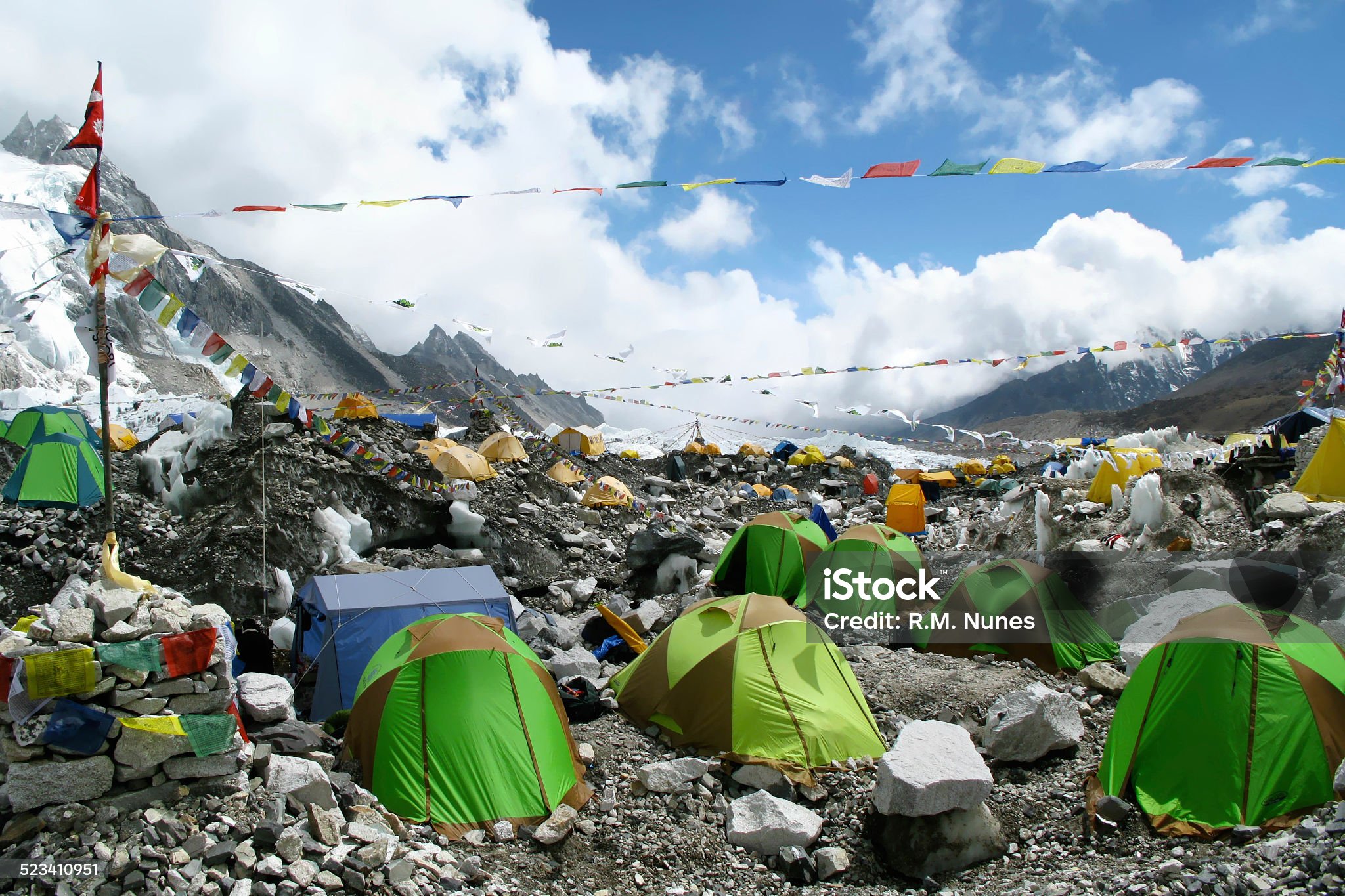
Above Gorak Shep is seen the popular view point known as Kala Patthar, from where many a trekker has captured the image of the world’s highest mountain and gazed up in awe. The trek along the glacier to base camp can take up to five hours. This is treacherous ground and one must walk through this area cautiously, as finding a route can be tricky and there’s always the risk of falling on the slippery ice. Being at Everest Base Camp is an out of this world experience.
SAGARMATHA NATIONAL PARK
Sagarmatha National Park is home to the highest peak in the world – Mt. Everest (8,848 m), Sagarmatha being the Nepali name for Everest. The area was designated a national park in 1976 and encompasses several other peaks all above 6,000 m. The park got recognition as a World Heritage Site in 1979.
With most of the park lying above 3,000 m, it is mostly rugged terrain made up of deep gorges, glaciers and massive rocks. The Park boasts of a wide variety of wildlife including more than 118 species of birds. While the forest is dominated by silver fir, birch, rhododendron and juniper trees, animals such as musk deer, the Himalayan tahr, the ghoral, the serow, the wolf, and the Himalayan black bear may be spotted by trekkers in this region.
Endangered species which are rarely seen include: snow leopard, red panda, and two kinds of dazzling pheasants – the crimson-horned and the Impeyan, Nepal’s national bird. Smaller animals like marmots, pikas and martens are also found in the park.
The region ranges in altitude from less than 2,000 m above sea level at Jiri to the high peaks of the Himalaya at over 8,000 m. Hence the park’s flora and fauna is diverse with dense forest of pine, oak and the flowering rhododendrons found up to 4,000 m above sea level. The latter are one reason to make a trip to Nepal in the spring when the hills between 2,000 m and 3,500 m are a riot of colors.
The Everest Base Camp Trekking (EBC Trek) is the most beautiful trail in the Everest Region and is indeed the most famous Himalayan Trek. Everest Base Camp Trek is famous for its spectacular mountain views and hospitality of its inhabitants, the Sherpa people. Mount Everest is also known as Sagarmatha in Nepalese language, which in English literally means “Mother Goddess of the World”.
The Everest Base Camp Trek begins with a short flight to Lukla from Kathmandu. Upon landing at the Lukla airport, which is one of the highest-located airports in the world, you can immediately feel the change in the environment. The Himalayan breeze coruscates down the peaks and brushes the hills with a refreshingly chilly patina. The trekking trail then branches off towards various ethnic Sherpa settlements and villages before finally concluding at the base camp of the world’s tallest Himalayan peak.
The trek strat from Lukla after the 30 min flight. On the way there are many tea houses in which you can stay and eat locally as well as Western food. The trail takes one through the green Dudhkosi Valley, which is rich in Flora and Fauna, Sherpa Villages, and Buddhist Monasteries. It leads one up to the legendary Sherpa village of Namche Bazaar where you spend two nights exploring and acclimating, an important factor for your safety and enjoy experience the Everest Base Camp trekking. Then you follow the trail to the villages of Tengboche, Pangboche, Dingboche, and Lobuche where Yaks can be seen grazing in the high meadows. Finally you reach the last human settlement, the village of Gorakshep, which is just two hours from Everest Base Camp. From here, you can see the Khumbu Ice Fall and interact with other mountaineers climbing the Everest. From Gorakshep your trail takes you to Kalapathar from where you have the best possible view of the Himalayan Range. This is your turn around point and you descend following the same trail with still more splendid, fascinating and breathtaking views that leaves you with a lifetime of wonderful memories.
Everest Base Camp trekking offers a unique experience with panoramic views of the world’s highest and most beautiful mountains. It is one of the most inspiring place in the world and trekking is possible all year round, but the best times to visit are March to May and September to December.
You will visit the renowned Himalayan town of Namche Bazaar- also known as the Gateway to Everest. It was an ancient trading point between the Himalayan traders and low-land merchants. Views of Peaks like the Thamserku, the Kongdi RI, the Ama Dablam, Lhotse Himal, the Nuptse Peak, and the Kusum Kanguru and of course- Mount Everest among many others from the town are utterly mesmerizing.
Likewise, as you trek through the Dudh Koshi and Imja River valleys, you also come to the village of Tengboche, which harbors the famous Tengboche Monastery- one of the largest and oldest Buddhist monasteries in the region. As you near the base camp. Kalapatthar presents panoramic views of the entire Mount Everest massif in a spectacular fashion. Treks to the vantage point occur in the early hours of dawn as the point is known for its sunrise view amidst the ivory Himalayan peaks.
Is the Everest Base Camp Trek Difficult?
Everest Base Camp Trek is a moderate journey suitable for average people, so no previous trekking experienced is required. However, to get fit, we would recommend practicing regular cardio exercises in order to prepare for the trip. Exercises like running, jogging, walking or swimming all boost the stamina of the body, and can help you during the trip. Thus, for preparing for the trek, it would be our advice to do regular exercises.
We here at 8picktrek Team count ourselves as privileged that we get to witness the life-changing journey of so many travelers and be a part of their memories. With well-constructed itineraries, trained guides, and ample facilities we are sure of our capability to provide you everything you need in this incredible journey. Head up with us to explore the mesmerizing grandeur of the Himalayas for Everest Base Camp.
* Kathmandu Int’l Airport/Hotel/Airport pick up and transfer by private vehicle as per group size.
* 2 nights Accommodation in twin bed sharing basis with breakfast at standard hotel in Kathmandu.
* Round trip domestic flight ticket from Kathmandu-Lukla-Kathmandu and airport tax.
* 3 Meals (breakfast, lunch and dinner) with Tea & coffee during the trekking period.
* Best possible lodge to lodge accommodation during the trek.
* 1 experienced helpful and friendly guide, porters (1 porter for 2 peoples), their foods, accommodation, salary, equipment & insurance.
* All ground transportation by private vehicle.
* Sagarmatha National Park Permit.
* All necessary other permits.
* First Aid Medical Kit box.
* Office Service charge
* All Government Tax.
* Any meals (Lunch and Dinner) in Kathmandu other than breakfast in hotel.
* Travel insurance.
* International air fare to and from Kathmandu, Nepal.
* Nepal Tourist Visa fees.
* Items and expenses of personal nature.
* Any kind of alcoholic drinks, cold drinks, snacks, laundry, phone call, Internet.
* Personal Trekking Equipment.
* Emergency Evacuation (Helicopter Rescue).
* Any costs which arise due to a change of the itinerary, because of landslides, domestic flight delays, political disturbance, and strikes etc.
* Any other costs whatsoever, that is not mentioned in the cost included.
* Horse renting and additional porters during the trek.
* Tips for guide, porters, driver.

