

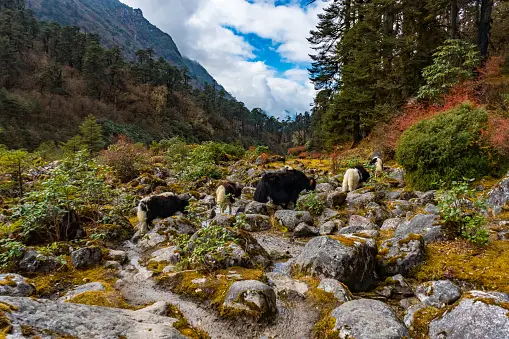
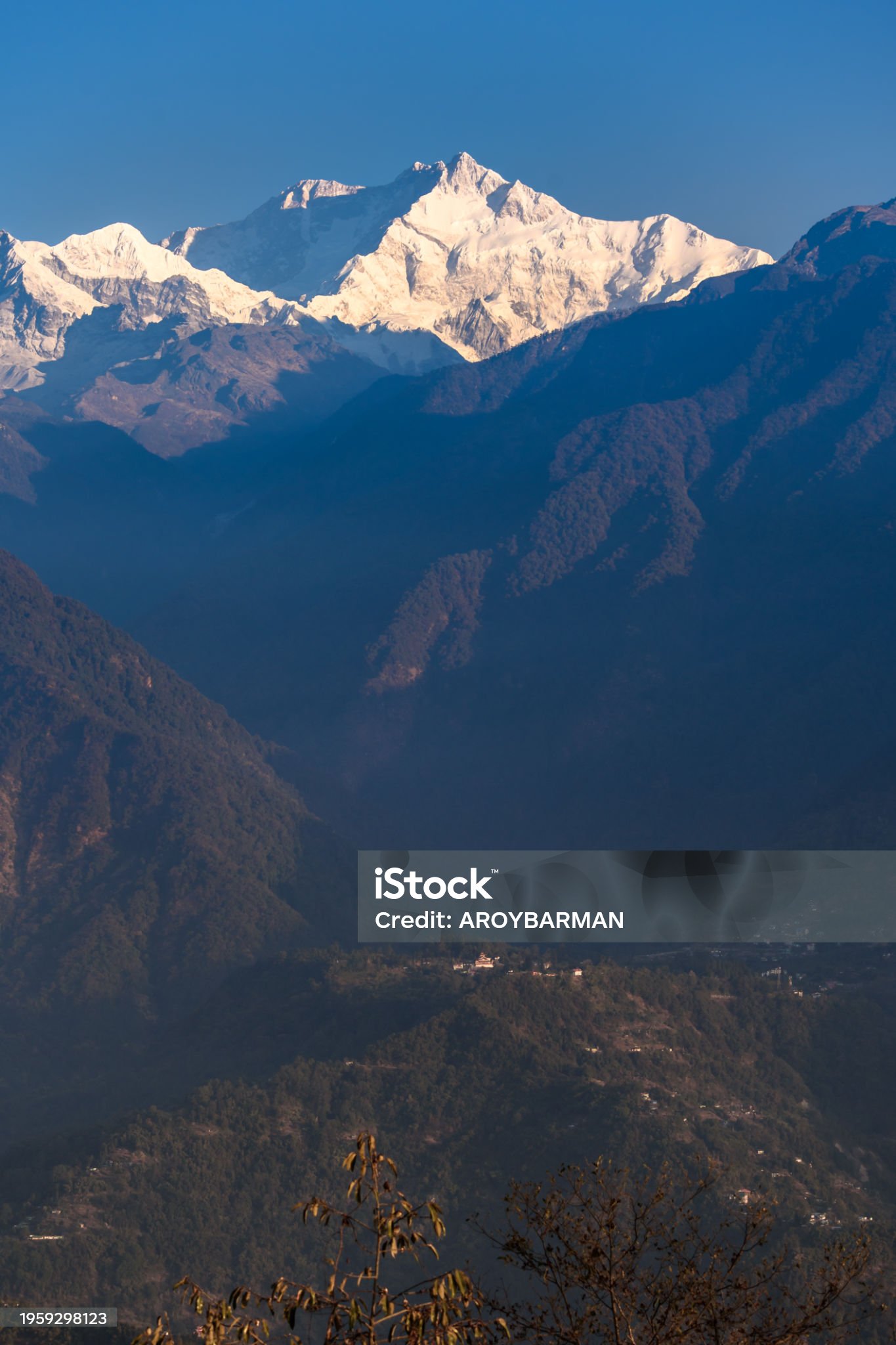
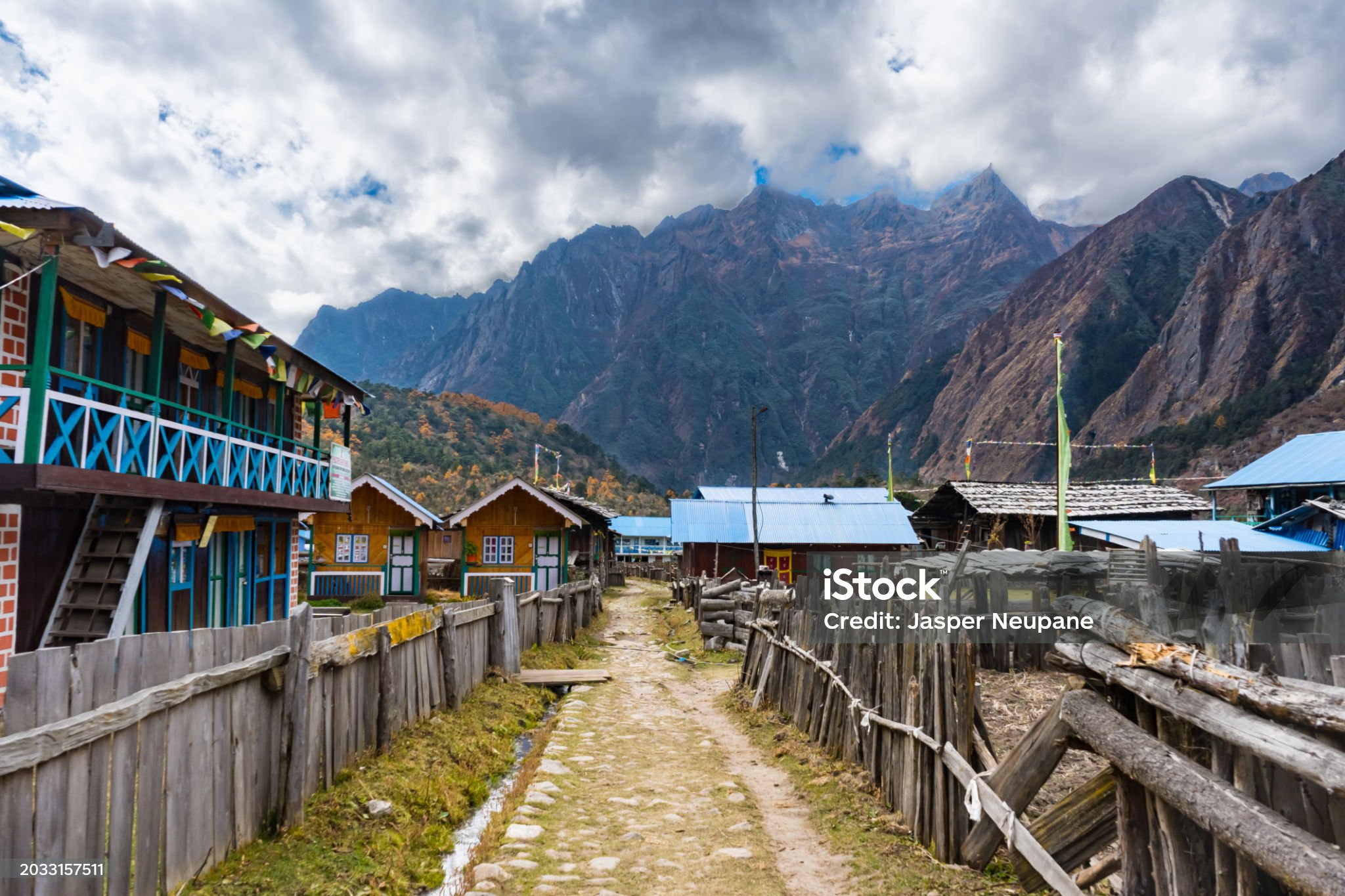
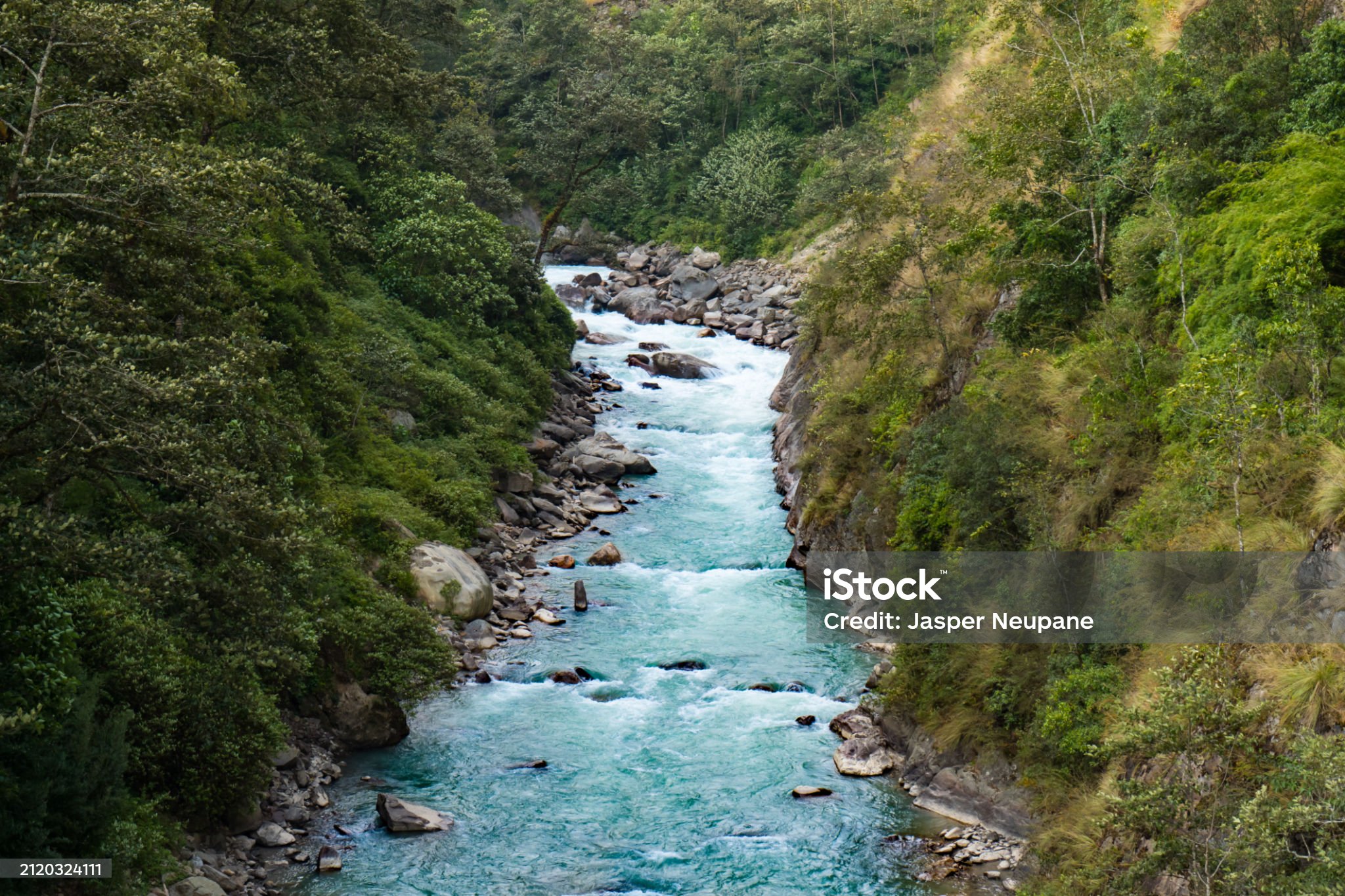
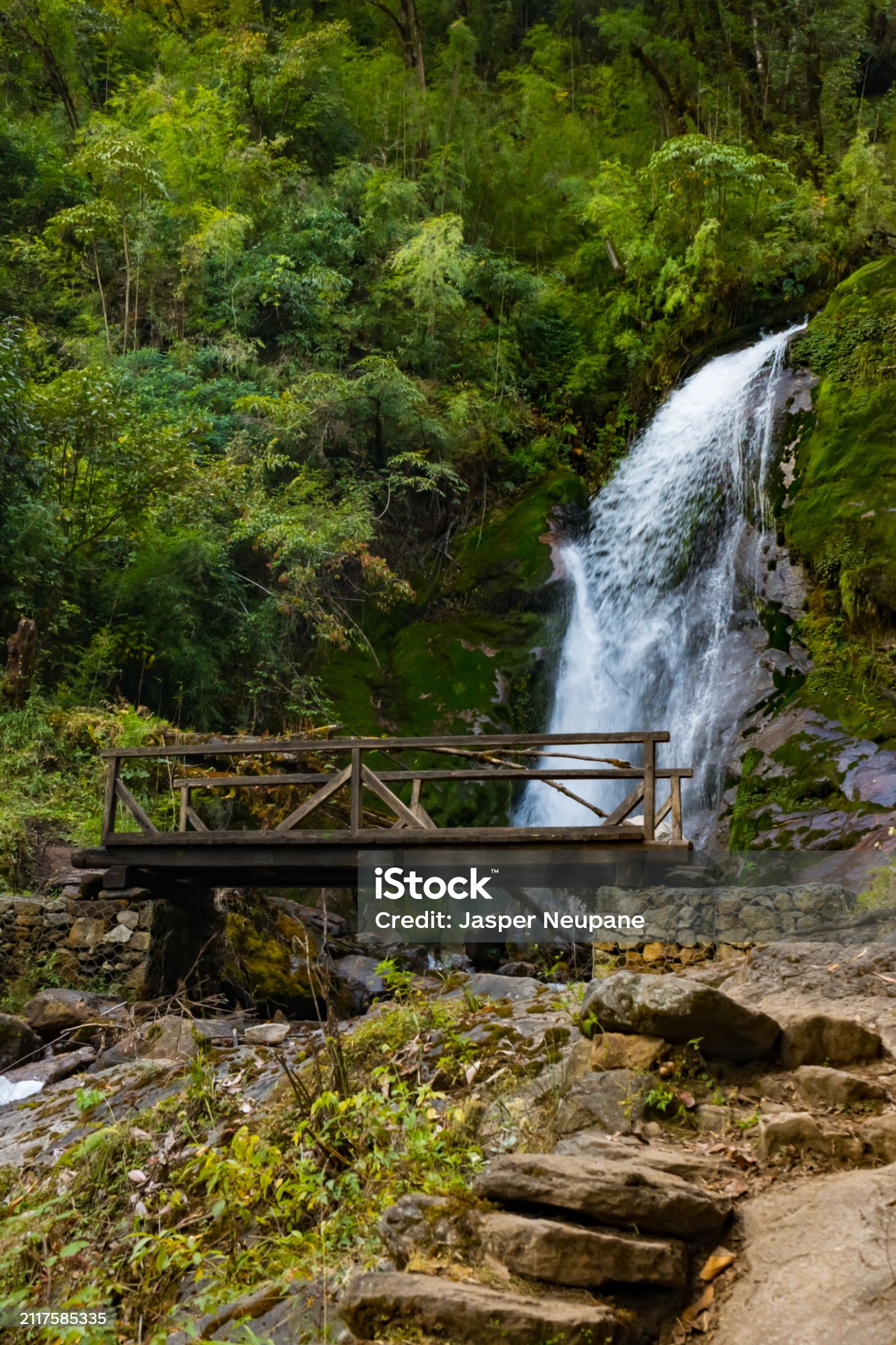
Kanchenjunga is the third highest mountain in the world. It lies between Nepal and Sikkim, India, with three of the five peaks (Main, Central, and South) directly on the border, and the remaining two (West and Kangbachen) in Nepal’s Taplejung District. It is the second highest mountain in Nepal and the third highest in the world. Kanchenjunga was designated as a conservation area in March 1998 and covers an area of 2035 sq. km. A monster mountain…sacred and revered by millions. if you wish to test your physical and mental abilities…then its king Kanchenjunga…at 8586m…its all guts and glory!!! If we are heading down to Kanchenjunga, then we have to start from Eastern Nepal which is naturally diverse in nature in many ways; ethnic communities such as the Rai and Limbu people, a productive range of flora due to a highly rainy monsoon period in the region and some of the most gracious mountain windows anywhere in the Himalaya. As we cling on to the glacial torrent of the Tamur and Ghunsa Rivers who define their roots by the North West side of the Kanchenjunga Himal, we find ourselves in an unknown world, even though we live on the same planet.
Shortened by an alpine opulence in every direction that we can see, peaks such as Pyramid Peak, Jannu, with the Twins and for sure Kanchenjunga at (8586m) dominate the settings that we behold. When our journey does wrap up, there’s nothing less sublime as we return by way of the Mirgin La Pass at (4500m). The return experience takes us to another plain…the Kanchenjunga region is merciless, but its flora, fauna and landscapes are as soft and gentle as the petals of the lovely rhododendrons that we see glistening in the sunshine of a rainy monsoon day. Lush rehododendron forests dramatic mountain views, traditional communities steeped in local folk law and tradition.The Kanchenjunga Conservation Area was one of the first areas to be explored yet remains one of the least visited. In fact outside of November you would be hard pressed to see any other hikers on the trails. Along the higher trails, communities are isolated from the lower valleys from a maze of ridges and summits. Treks in this region are a little longer, a little harder and ultimately worthwhile as you explore one of the wider corners of the Himalaya. The return trek to Kanchenjunga base camp takes about 20 days, but can be combined with a number of lesser trails that lead to some of the most magnificent wilderness areas of Nepal. Whether you chose to trek to south base camp, north base camp, or combine the two taking you into the intriguing communities of Olangchun Gola and Yangma. From here remote takes on new meaning and the chances of spotting a snow leopard are better than any other area. There are two main seasons; April to May and October to November. Both offer very different experiences. The pre-monsoon period in April and May offer stunning rhododendron forests but lingering clouds can remain. October to November is the best for weather and cloud free days. Kanchenjunga makes its own weather at times, and suffers heavy monsoonal rains. Trek in December and you can be trapped by heavy snows, that block the passes till mid December to late February. Magical Nepal has had extensive experience in the Kanchenjunga area and can accommodate groups from two trekkers and up in either camping or teahouse treks. If you are fit, and want to see Nepal as it was 50 years ago then this is the trek for you.

