

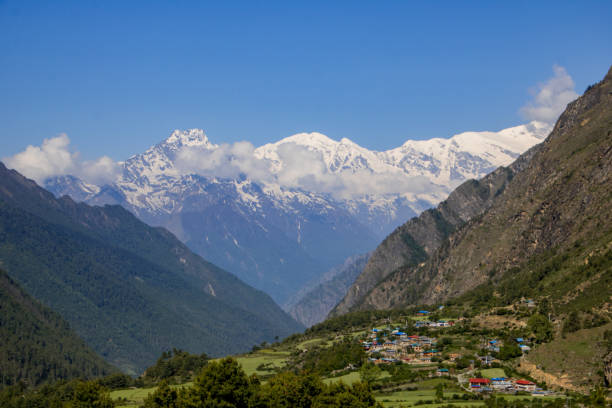


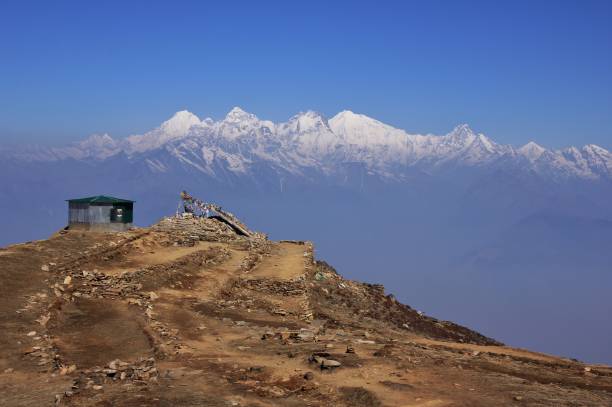
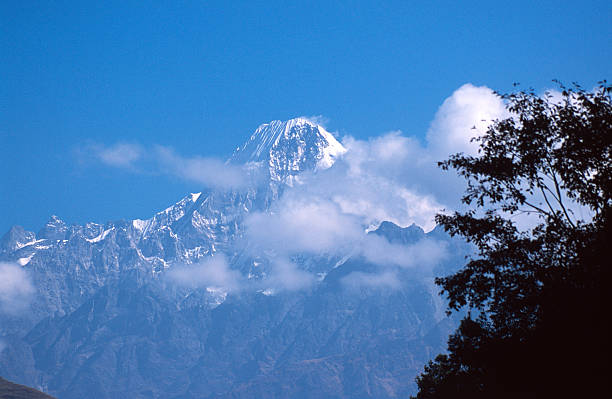
Manaslu Trekking is the best in the eyes of people looking for remote and peaceful places. Manaslu is the eighth highest peak in the world with 8163m height. Located close to the boundary with Tibet, the valleys to the north and east of Manaslu were restricted areas, some 100 km northwest of Kathmandu until the early nineties in Nepal. Now it is open for domestic & international tourists. Visiting together with the splendid scenery around Manaslu makes this one of the typical yet undamaged trekking escapades in the Himalaya.
Manaslu and Ganesh have long been overshadowed by the established trekking regions to either side. But both the ‘spirit mountain’ and the ‘elephant mountain’ are so spectacular, and so easily accessible by bus, it’s a mystery why it’s taken so long for guides and trekkers to discover them.
The Manaslu Region has multi-ethnic varieties in terms of tradition and culture. Altitude has greatly influenced the general ethnic structure. The reduction in the Hindustan-Aryan population with increasing elevation is clearly noted in this region. In the southern region, the ethnic societies are Hindus like Brahmins. Similarly, in the Manaslu Region, climatic dissimilarity in terms of temperature and precipitation is obviously noted within the short vertical distance of 100 km trail between Arughat and Samdo. There is an extreme climatic disparity with the tropical climate in the south to freezing climate in the north. With an average temperature of 30°C in summer, whereas the southern part is warmer and 10°C in the winter, the northern part is very cold.
Manaslu Conservation Area was established on December 28, 1998. Manaslu lies north of the historic fortress town of Gorkha, from where the last kings of Nepal ventured forth to conquer the rest of the country in the 18th Century. The Manaslu Circuit has recently become a teahouse trek, opening up the misty wood-shingled villages of the Nupri Valley. But hikers are free to explore the many other trails being forged right now. The Tsum Valley trek has beautiful views of the four 7000m peaks of the Ganesh massif, and visitors can experience the distinct Tibetan-influenced culture of the Tsumba people, who prohibit the slaughter of all living beings.No doubt this enhances the protection afforded to such endangered species as the Snow Leopard and the Red Panda.
The wide-ranging forest types of the Himalaya ranges are gifted with massive floristic diversity. It is actually the fullness of the country. Vegetation types in altitudinal zones are clearly noticeable in the Manaslu Region. There is a vibrant diversity of vegetation from the tropical river in forests to tundra vegetation due to the great dissimilarity in climate and elevation. Vegetation changes are clearly noted in this region. Total of 110 bird species has been known in this area.
You can also enjoy a culturally enchanting homestay with the Tamangs, the original horse traders of Nepal. The adventurous can venture higher for a ‘walk in the clouds’ above Tiru Danda, from where gorgeous views stretch from the Annapurnas to Ganesh Himal.
With a variety to rival the Annapurna region, it’s no exaggeration to say Manaslu’s time has come. Forget the jams of the more established routes. Barring the busy teahouses, you’ll have the trails here mostly to yourself – if you don’t mind sharing it with blue sheep, langurs, yaks andthe myriad butterflies weaving in and out of the thundering waterfalls.
Ganesh Himal Trekking
The treks in the Ganesh Himal Region are designed to introduce you to a broad spectrum of life in different Nepalese communities and a variety of beautiful scenery. You may visit the Base Camp of Ganesh Himal where there are two lakes – Black and White. Twin waterfalls – Ganga and Jamuna, bring joy to your heart. Visit this area in March or April, and you see the mountainsides red with magnificent Rhododendron blooms – Nepal’s national flower. Visit Gorkha, the birthplace of modern Nepal. This was the home of King Prithvi Narayan Shah, who fought many wars to unite the tiny kingdoms spread throughout the land now known as Nepal.His palace can be seen on the top of a hill at Gorkha. This area is also the homeland of the original Gurkha warriors. The Ganesh Himal treks begin at Trishuli, a three hours drive from Kathmandu and end at Gorkha, a six hours drive to return to Kathmandu.
Ganesh Himal Base Camp Trek is less trekked area rewards ever trekker with awesome experience with its natural beauty and mountain views. The trek presents the trekkers the embarrassment of flora that abounds in Nepal. Trekking in this Himal not frequented by many tourists and it is situated in the center of Nepal. It is one of the most isolated and least explored areas of Nepal’s Himalayas. The people of this region are Gurung and Tamang are the local inhabitant of this route. While doing this trekking, we get an opportunity to know culture, tradition and the lifestyle of the Gurung and Tamang people who are the local inhabitant of this trail. Visitors are warmly welcomed by all with a friendliness that makes Nepal legendary. The terraced slope gives the impression as if they are going to touch the sky. Trekking in Nepal this beautiful Himal route provides you with the opportunity to explore the wonderful views of the mountain, beautiful villages, landscapes, flora, and fauna. The trekking trails take you through alluring villages towards Bhalche. Trekking in this base camp is one of the wonderful experiences one can ever have and the trekkers can even do this base camp trek according to their time frame and interest.
Tsum Valley
The Tsum Valley is a sacred Himalayan pilgrimage valley situated in a trans-Himalayan region of Gorkha, Nepal. The Tsum Valley’s acquaintance with Tibet, natural beauty and its pristine culture make this trekking unique. Tsum comes from the Tibetan work ‘Tsombo’, which means vivid. Against the majestic backdrop of the Ganesh Himal, Sringi Himal and Baudha Himal ranges, this serene Himalayan valley is rich in ancient art, culture, and religion. The local people are mostly of Tibetan origin and seak a unique dialect. Trails are strewn with artistic chortens and lined with mani walls made of thousands of stone slabs carved with deities and prayers. The Tsum valley has a long history of Buddhism. The Buddhist saint Milarepa is believed to have meditated in the caves of there mountains. Traditionally Tsum valley was a culturally distinct geographical area called ‘Tsum Tso Chuksum’, which means thirteen provinces ruled as a single territory. The ancient remains of the Tsum Kingdom are still visibletoday. Due to its remotemness and inaccessibility, this sacred valley and its people have been bypassed by mainstream development for centuries. As a result, the unique culture of this valley has remained intact.
Manaslu Circuit
This trek was officially opened to tourist in 1991,
but mountaineering expeditions have had long access to the area. In 1950, a party led by HW.Tilman trekked from Thonje to Bimtang and Col. Jimmy Roberts crossed Larkya La looking for an interesting mountain to climb. Manaslu (8156m) was attempted by Japanese Expeditions every year from 1952 until 1956, when the first ascent was made. Having become to be known as “Japanese Mountain”, much of the information about the area was available in Japanese. The Japanese continued to dominate the climbing scene of Manaslu until 1971. A few trekkers, including peripatetic Hugh Swift, managed to obtain the trekking permit for the region, but otherwise this trek always has been the domain of the mountaineering expeditions.
The journey around these legendary mountains is enjoyable and tough. That view alone makes the trek worthwhile.
Beginning from Arughat or Gorkha and langtang reason etc.Budhi Gandaki valley river, over Larkya La pass, and descend to the Marsyangdi River, you will trek down to Besi Sahar, from where we will drive back to Kathmandu

